
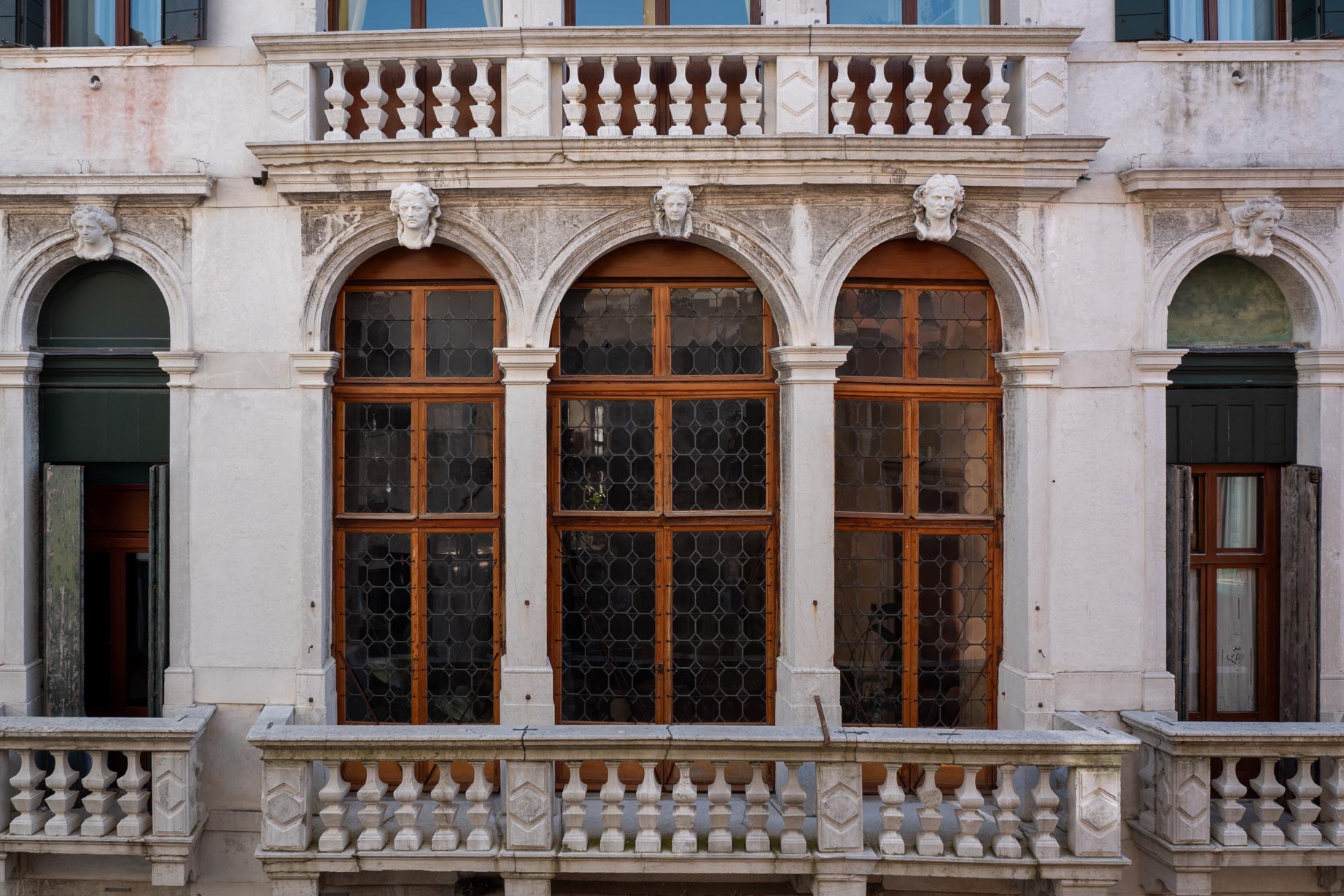
Staying at Palazzo Cavagnis means discovering a lesser-known chapter of Venetian history.
With its frescoed halls, original architectural details, and rooms that bear traces of different eras and functions, the palace tells the story of over three centuries of the city’s life.
Today, it welcomes guests of the Foresteria Valdese, offering the chance to experience a place where art and hospitality continue to intertwine.
-
The origins and history of the Palace
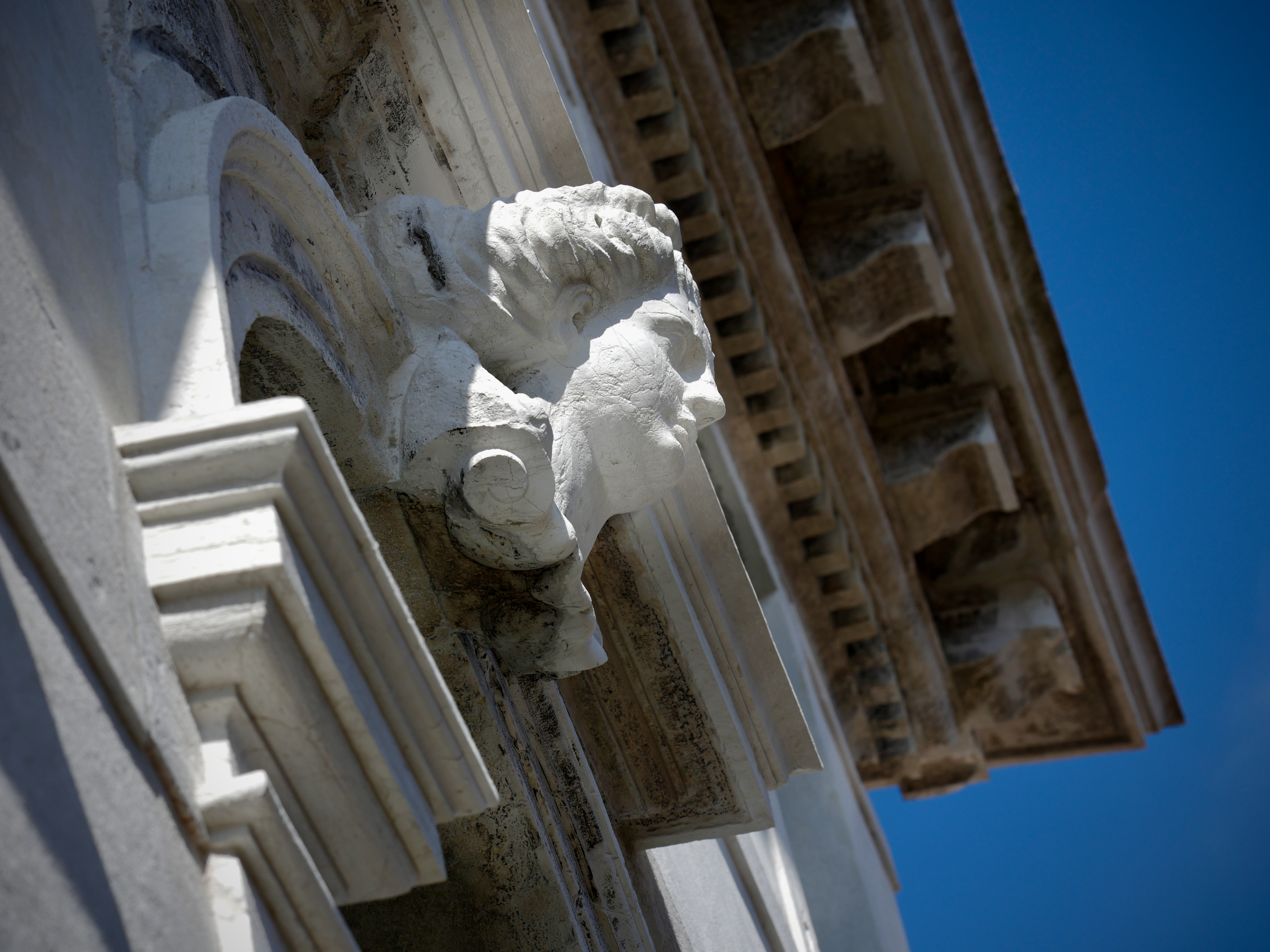
Palazzo Cavagnis was built in the early 18th century, when Antonio Francesco Cavagnis—a member of a family of artisans originally from Bergamo who were active in Venice in the embroidery and lace trade—decided to rebuild the building, entrusting the project to the architect Domenico Rossi.
Over time, Venetian artists decorated the rooms on the main floor with exquisite frescoes. Among these, the ceiling depicting The Myth of Bacchus and Ariadne, painted in 1810 by Carlo Bevilacqua, stands out and remains one of the palace’s most striking features to this day.
The building’s history is intertwined with that of the city: during World War I, in 1918, a bomb struck the surrounding area, damaging part of the frescoes. Today, Palazzo Cavagnis is recognized as a national monument, a testament to its historical and artistic value.
-
A place of welcome and engagement
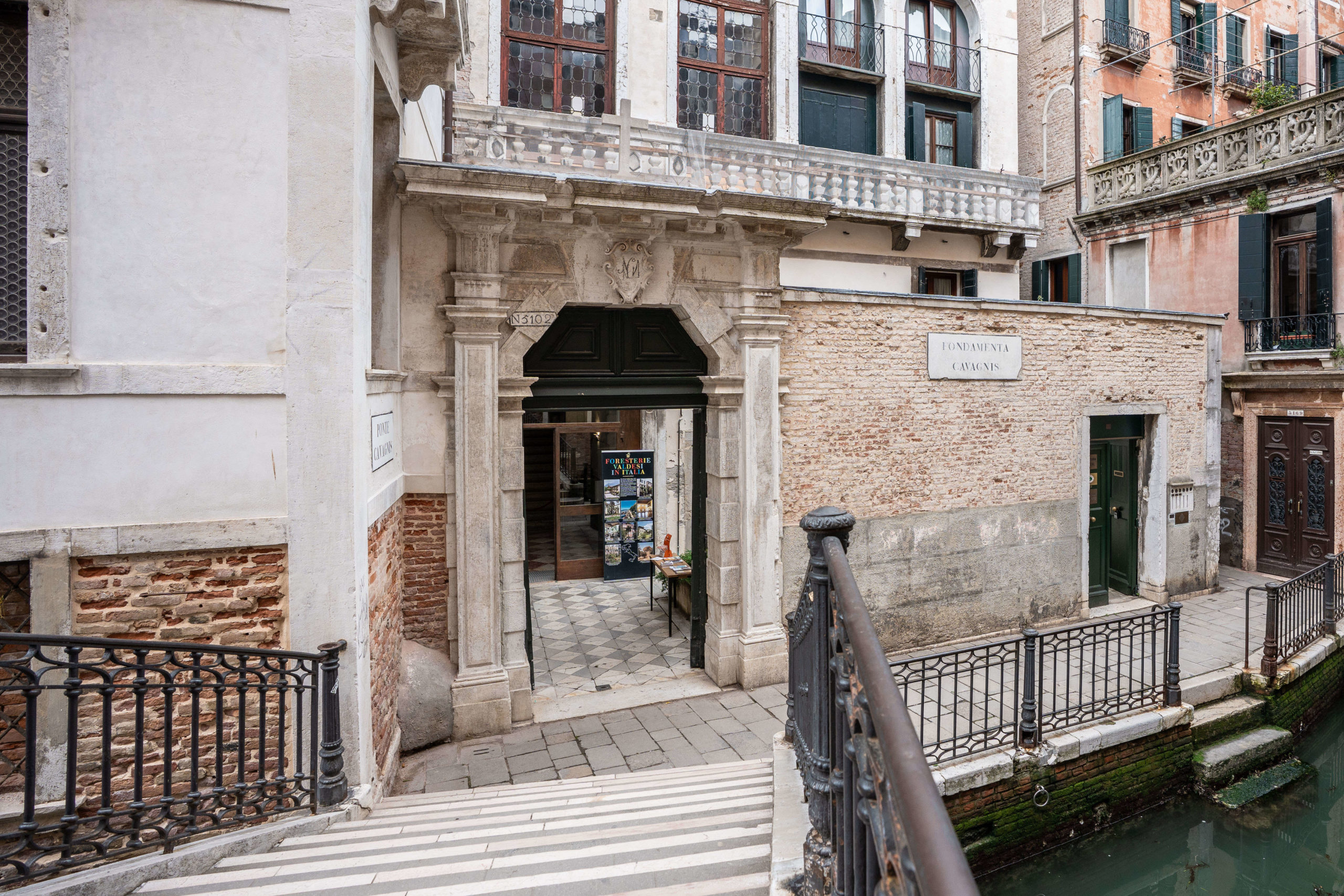
In 1868, the palace was purchased by the Waldensian Church, which transformed it into a place of welcome, worship, and social commitment. Here, an evangelical school dedicated to the most vulnerable children was established, serving as an important hub for the Venetian community for over twenty years.
During complex periods marked by religious tensions, wars, and epidemics, Palazzo Cavagnis always remained a vibrant and open space, rooted in the ideals of hospitality and solidarity.


Foresteria Valdese in Venice
Castello 5170 30122 Venezia