
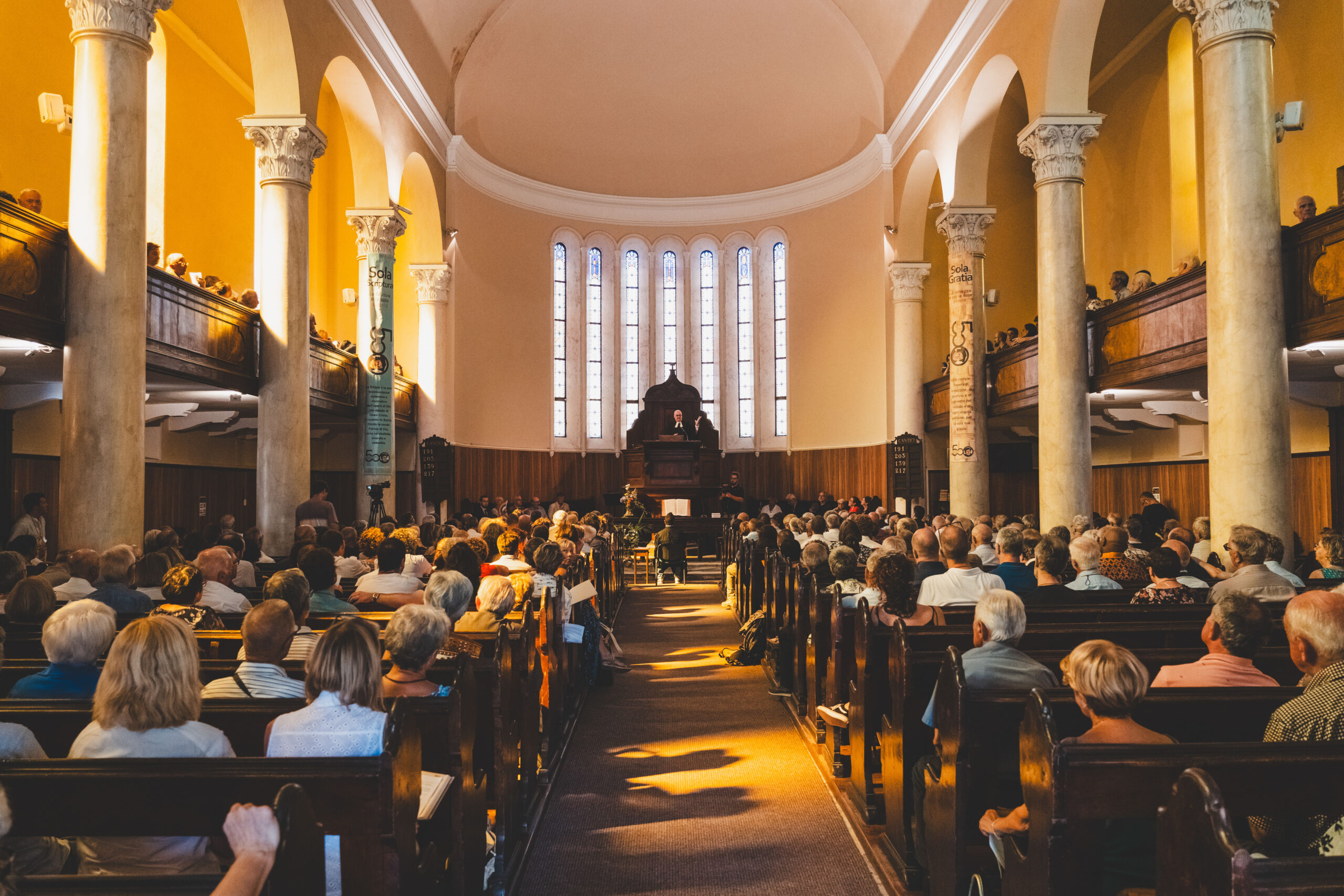
Following its adoption of the Protestant Reformation in 1532, Torre Pellice became the historical, cultural, and administrative center of the Waldensian community.
Located in the Waldensian Valleys, the town withstood centuries of persecution, strengthening its identity and becoming a focal point for the Waldensians, especially after the recognition of their civil rights in 1848.
-
The Birth of the Movement
The Waldensians are Christians belonging to the family of churches that joined the 16th-century Reformation, although their history is much older.
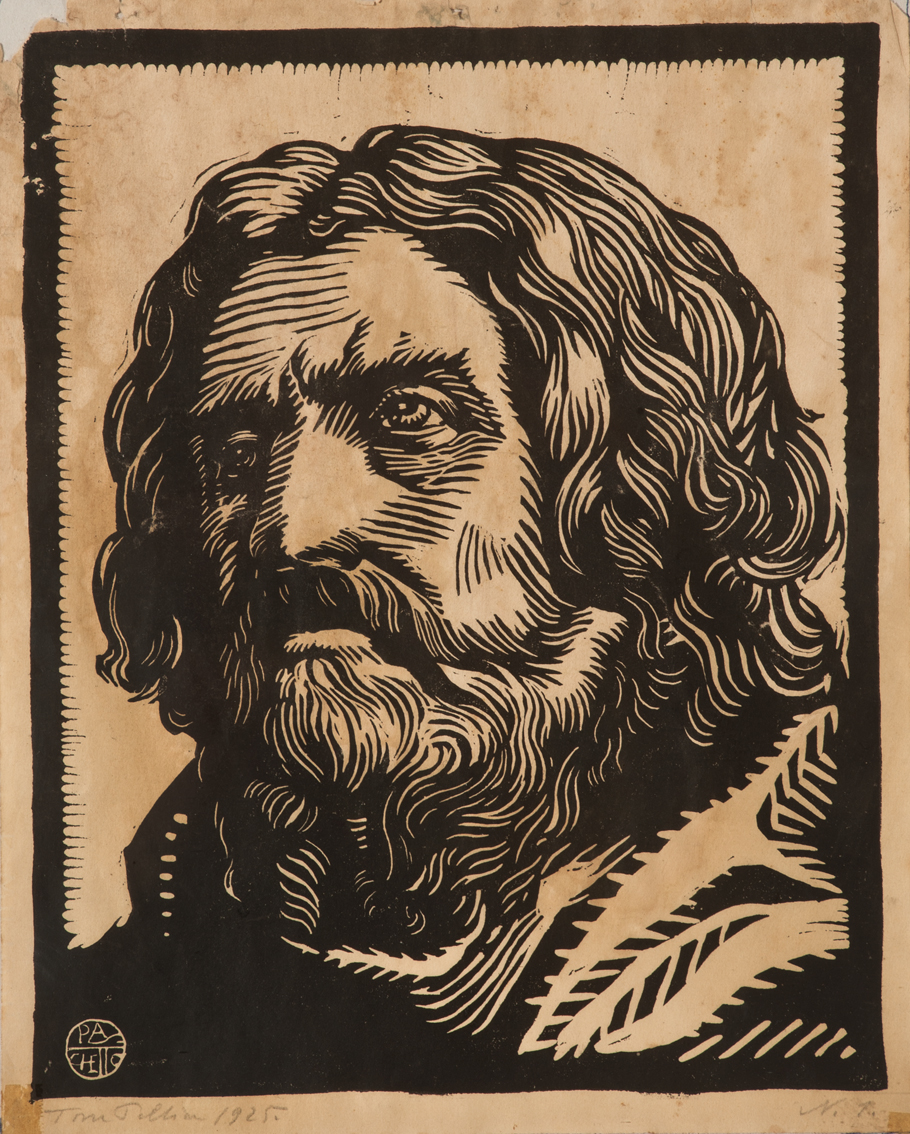
The name derives from Valdo, a wealthy merchant from Lyon who, around 1170, renounced his possessions and chose to live by preaching the Gospel.
From this arose the movement of the Poor of Lyon, which advocated a life of poverty, rejected violence and compromises with authority, and chose to obey the Bible alone, thereby challenging the authority of the bishops. -
Life in clandestinity
Excommunicated by the Roman Catholic Church, the movement went underground for over three centuries.
During the 17th century, in the Waldensian Valleys, periods of peace alternated with repression by the House of Savoy and the Inquisition
In 1685, the revocation of the Edict of Nantes deprived the Huguenots of their right to exist, and the House of Savoy, allies of the Sun King, forced the Waldensians to choose between recanting, death, or exile: many ended up in Piedmontese prisons, while others chose exile.
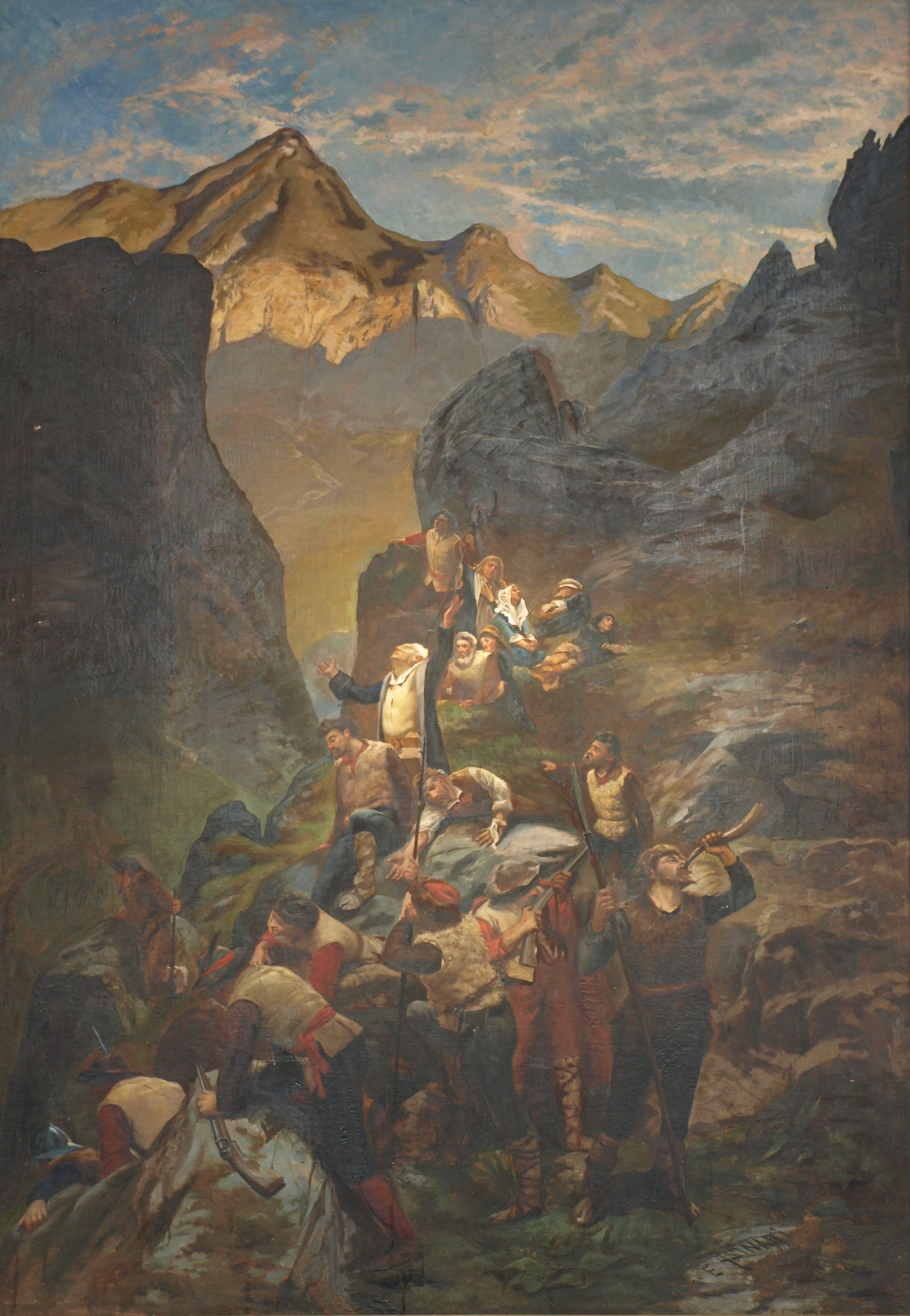
Three years later, thanks to favorable international circumstances, about 900 men managed to return to their homeland, an event known as the Glorious Return.
For 150 years, the Waldensians lived isolated in their valleys, stifled by a series of decrees codified in the edict of 1730.
The French Revolution and the Napoleonic period represented a brief interlude of freedom, which ended in 1814 with the restoration of the monarchy and Catholicism in Piedmont. -
Freedom of religion
It was not until the edict issued by Carlo Alberto on February 17, 1848, that the Waldensians became free citizens with full civil rights.
After this date, the Waldensian Church’s cultural and social commitment took center stage: the numerous institutions established in the 19th century—schools, hospitals, nursing homes, and cultural centers—were expanded and renovated.
Today, throughout Italy, there are cultural and social welfare institutions deeply rooted in the communities where they operate -
The Waldensians today
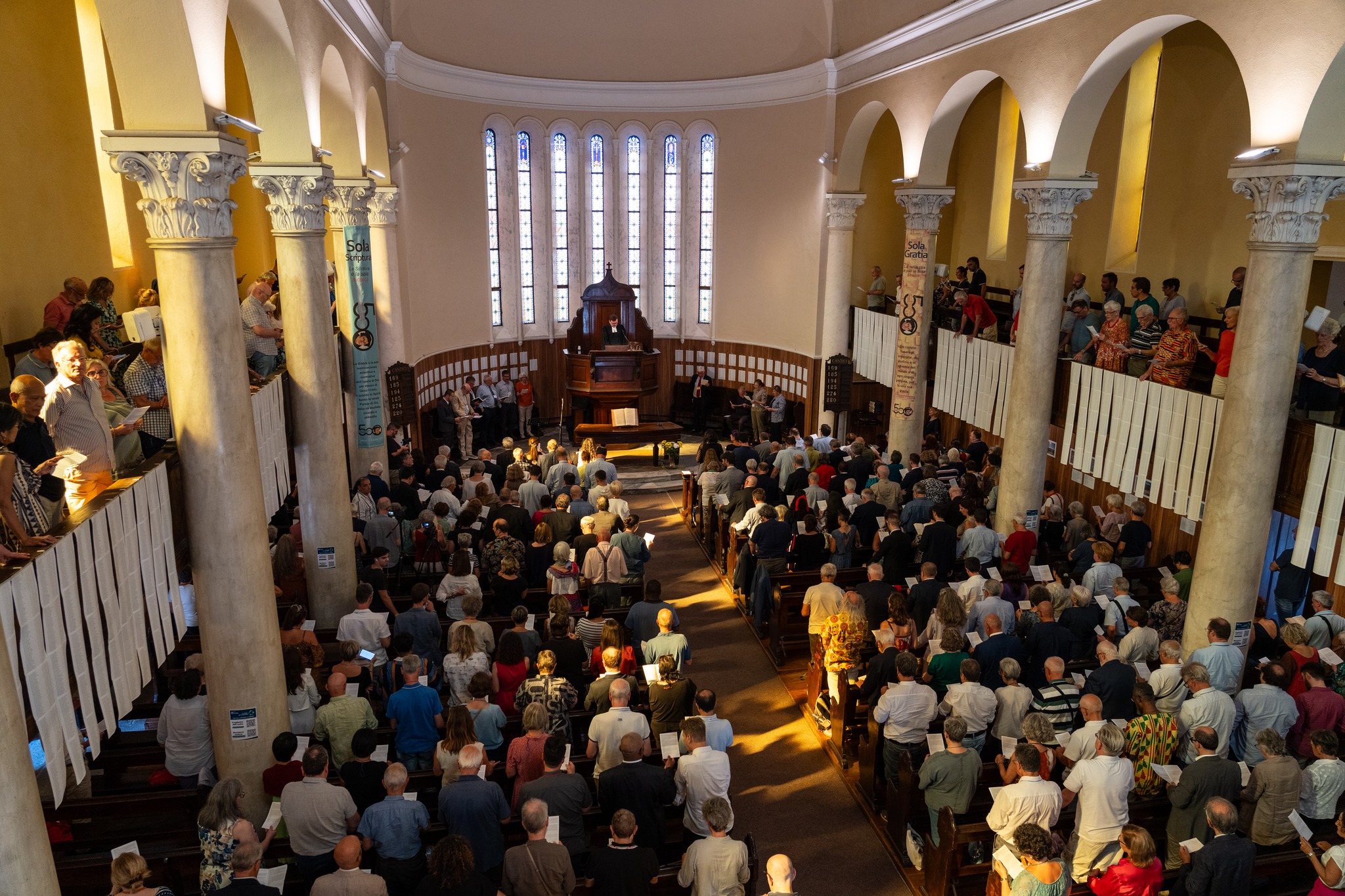
Currently, there are approximately 30,000 members of the Waldensian and Methodist churches in Italy, of whom about 15,000 reside in Piedmont.
The organization is synodal in nature: each community is led by a council elected by the assembly of the faithful, while the church as a whole is guided by the Synod.
Both men and women, whether single or married, are eligible for church ministries (pastors and deacons).
Dialogue with other denominations has always been a hallmark of the Waldensians, who are active in ecumenical organizations at both the national and international levels.
They advocate for the separation of church and state, rejecting any form of concordat-based policy.
Relations with the state are governed by agreements signed in 1984, which do not grant the Church any privileges.
The costs of worship are covered by members’ donations, while the “Eight per Thousand” tax deductions allocated to the Waldensian churches are used exclusively for social, welfare, and cultural initiatives. -

The celebrations
Every year, on the night between February 16 and 17, a large bonfire is lit in Torre Pellice to commemorate the end of discrimination against the Waldensian community in 1848 and to celebrate religious freedom as the foundation of civil liberties.
Another key event is the Synod of the Waldensian Church, the general assembly of the Waldensian Church held during the last week of August to discuss church life and current issues.


Foresteria Valdese di Torre Pellice
Via Arnaud, 34, 10066 Torre Pellice TO